If you have been researching ways to even out your complexion, fade sun damage, or calm persistent redness, you have likely come across the term IPL. Intense Pulsed Light therapy — commonly called a photofacial — is one of the most versatile and well-studied light-based treatments in medical aesthetics. This guide explains, in plain terms, how IPL works, what it can and cannot do, and how to know whether it is the right fit for your skin.
What Is IPL and How Is It Different from a Laser?
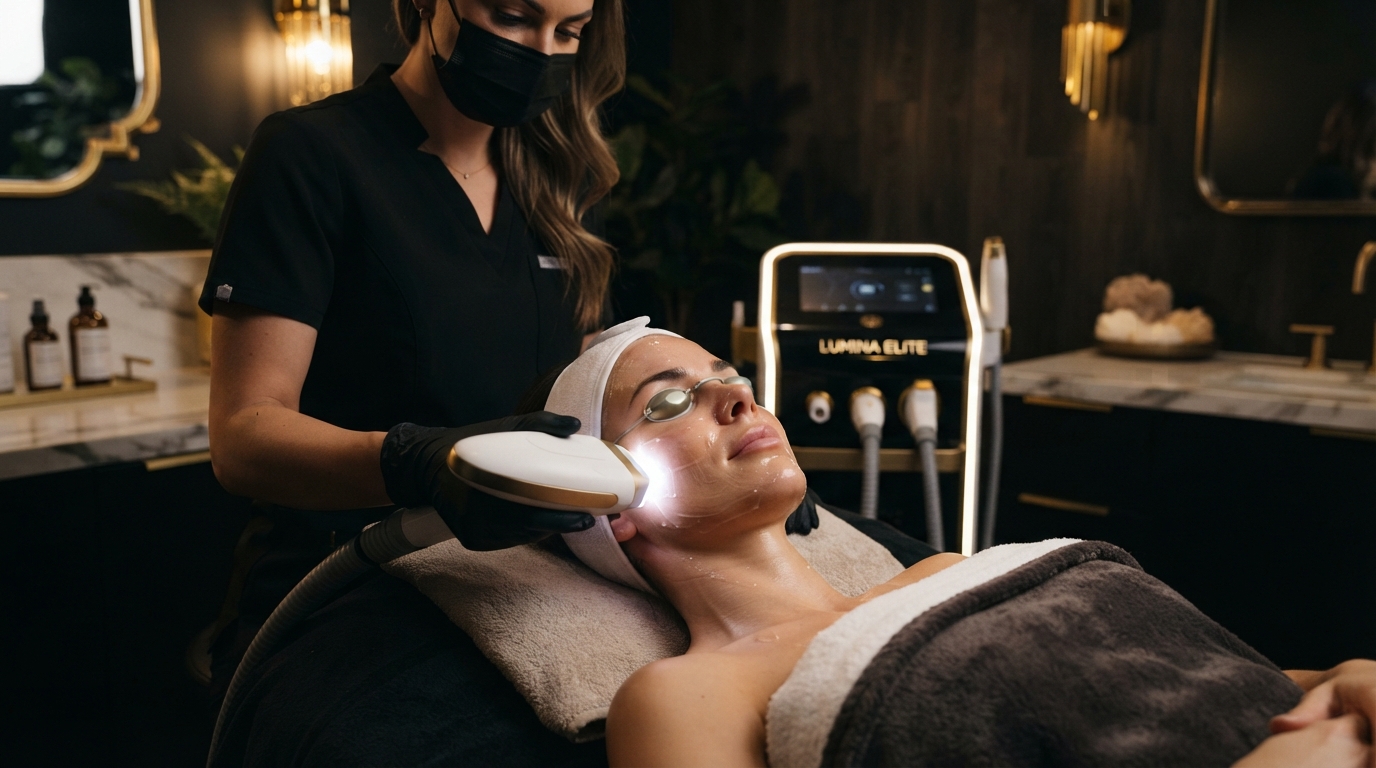
It is a common misconception that IPL and laser treatments are the same. A laser emits a single, focused wavelength of light calibrated to target one specific chromophore (such as pigment or blood). IPL, by contrast, delivers a broad spectrum of light wavelengths in rapid pulses. Because multiple wavelengths are released at once, IPL can address several concerns — pigment, redness, and texture — in a single session. This makes it an excellent entry point into light-based therapy for patients seeking overall skin rejuvenation rather than correction of a single issue.
The Science: How Light Becomes Skin Improvement
IPL works on a principle called selective photothermolysis. The light energy is absorbed by two primary targets in the skin: melanin (the pigment in sun spots and freckles) and hemoglobin (the protein in blood vessels that causes redness). When these targets absorb the light, it converts to heat. That controlled heat damages the unwanted pigment or vessel while leaving the surrounding tissue unharmed. Over the following days, the treated pigment darkens and naturally exfoliates, while damaged capillaries are absorbed by the body — revealing a clearer, more even complexion.
Skin Concerns IPL Treats Effectively
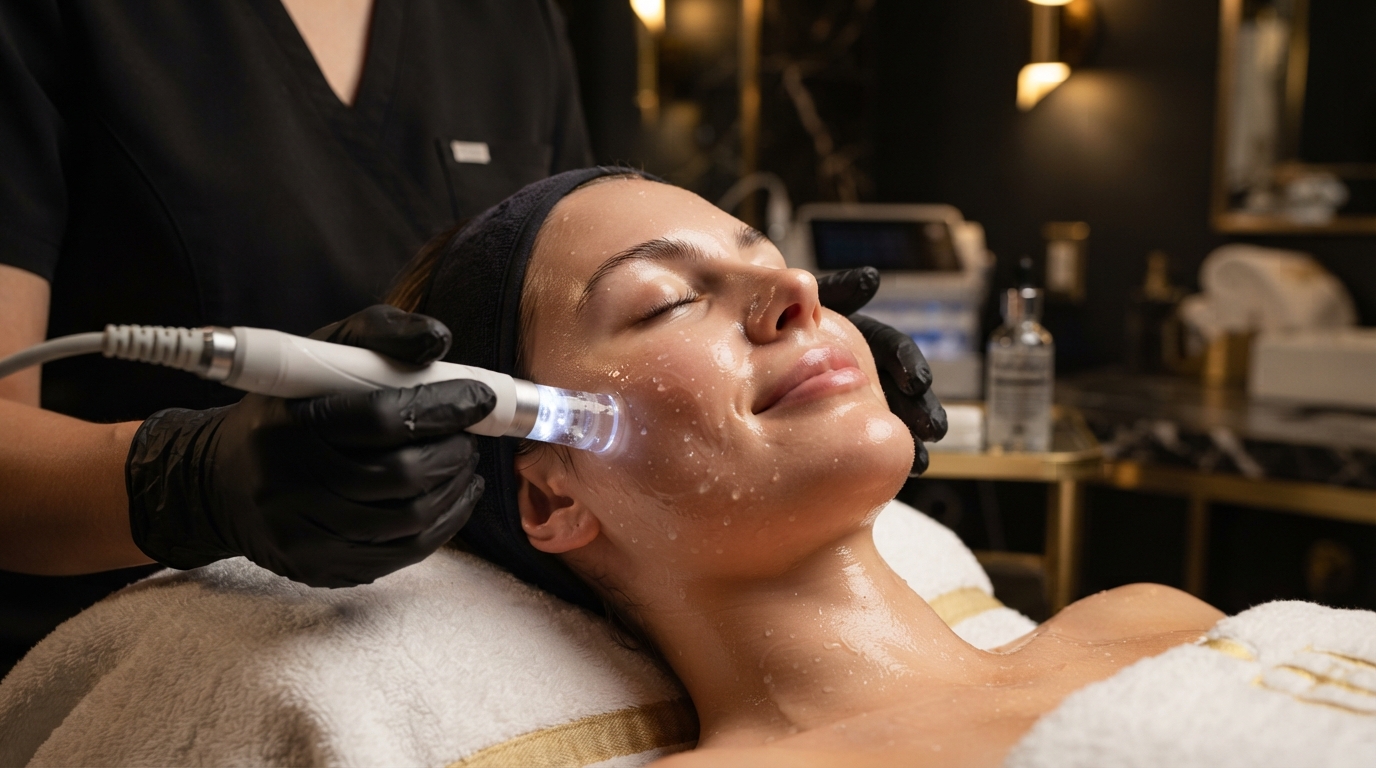
IPL is best known for addressing photoaging — the cumulative damage caused by sun exposure. It is highly effective for sun spots and age spots, freckles, general redness and flushing, broken capillaries, mild rosacea, and uneven skin tone. Many patients also notice a secondary benefit: smoother texture and a subtle reduction in fine lines, because the controlled heat stimulates collagen production over time. For a more comprehensive glow, IPL pairs beautifully with our medical-grade facials such as the HydraFacial or chemical peels.
Who Is an Ideal Candidate?
IPL is most effective on fair to medium skin tones (Fitzpatrick types I through IV) with visible sun damage, redness, or uneven pigmentation. It is generally not recommended for very dark skin tones, active melasma, or skin that is currently tanned, because the broad light can inadvertently target the surrounding pigment and worsen discoloration. Pregnant patients, those taking photosensitizing medications, and anyone with an active sunburn should postpone treatment. A consultation with our licensed providers ensures IPL is safe and appropriate for your specific skin.
What to Expect Before, During, and After
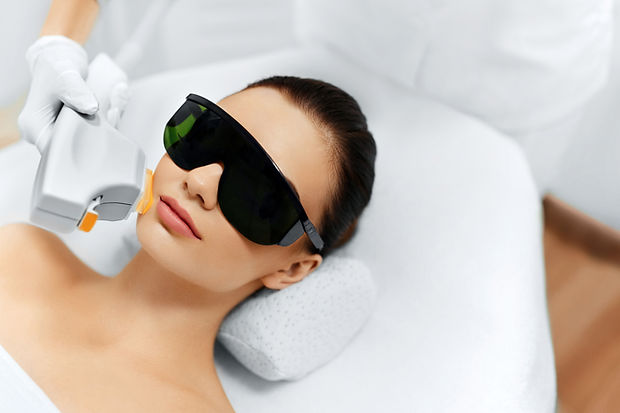
Preparation begins four weeks prior: avoid sun exposure, tanning beds, self-tanner, waxing, and retinoids. During the 20-to-30-minute session, a cooling gel is applied and you wear protective eyewear. Each pulse feels like a quick, warm snap against the skin — most patients tolerate it comfortably without numbing. Afterward, there is no downtime, though pigment may darken for three to five days before flaking off. Strict daily sun protection is non-negotiable; without it, new damage can quickly undo your results.
How Many Sessions Are Needed?
A single IPL session produces visible improvement, but a series of three to four treatments spaced about four weeks apart delivers the most dramatic transformation. After the initial series, quarterly or annual maintenance sessions preserve results. Your esthetician will build a personalized schedule based on the severity of your concerns and how your skin responds.
Combining IPL with Your Broader Skincare Plan
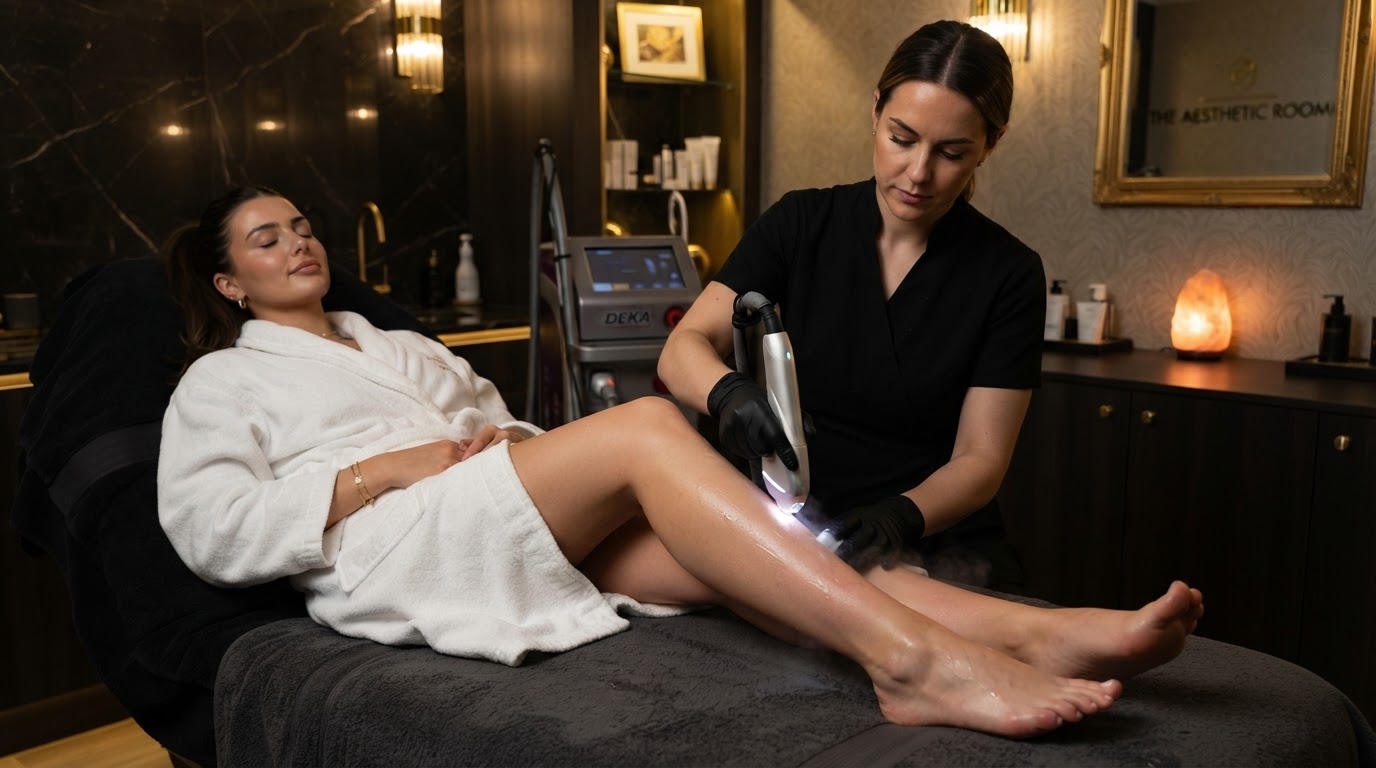
IPL is a powerful tool, but it works best as part of a complete regimen. Pairing it with consistent professional skincare, daily SPF, and a medical-grade home routine extends and amplifies your results. Patients focused on full-body rejuvenation often combine photofacials with IV vitamin therapy for internal antioxidant support and body treatments to address concerns below the neck.
Is an IPL Facial Right for You?
The best way to know whether IPL fits your goals is a personalized skin assessment with our licensed medical aesthetics team. We will evaluate your skin type, review your concerns, and recommend a treatment plan — whether that is IPL, a different treatment, or a combination. Book your consultation now or call (214) 935-7080 to schedule at Coco Wellness Spa in Anna, Texas. Your most radiant, even-toned skin may be just a few light pulses away.